We want to share with you some of the Thank You messages received by the people we have assisted in rural areas, they have been recipients of seed capital to help them grow their microbusiness and sustain their families. Their messages really touch our hearts. We are really grateful and hopeful to keep helping more people.
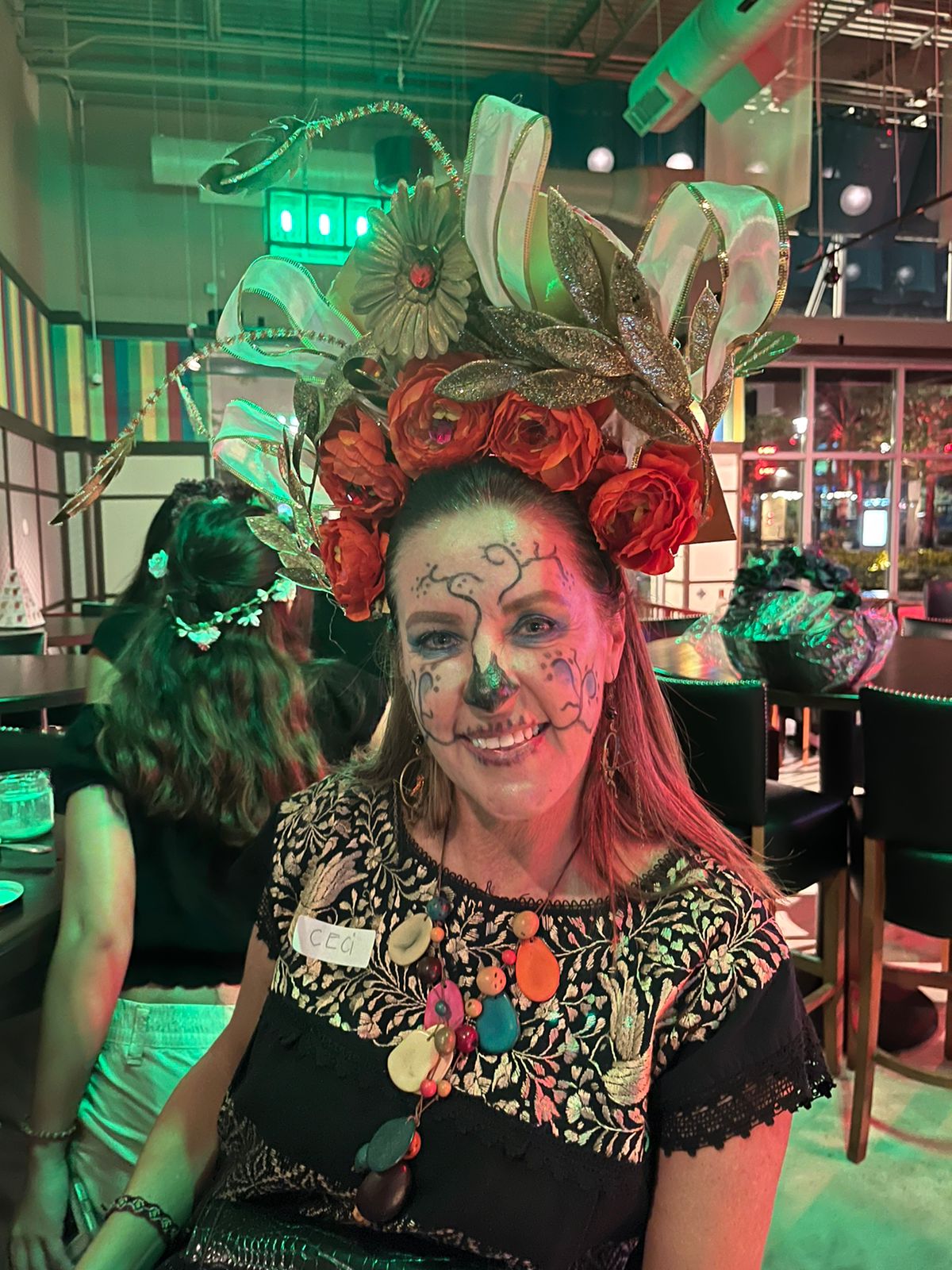
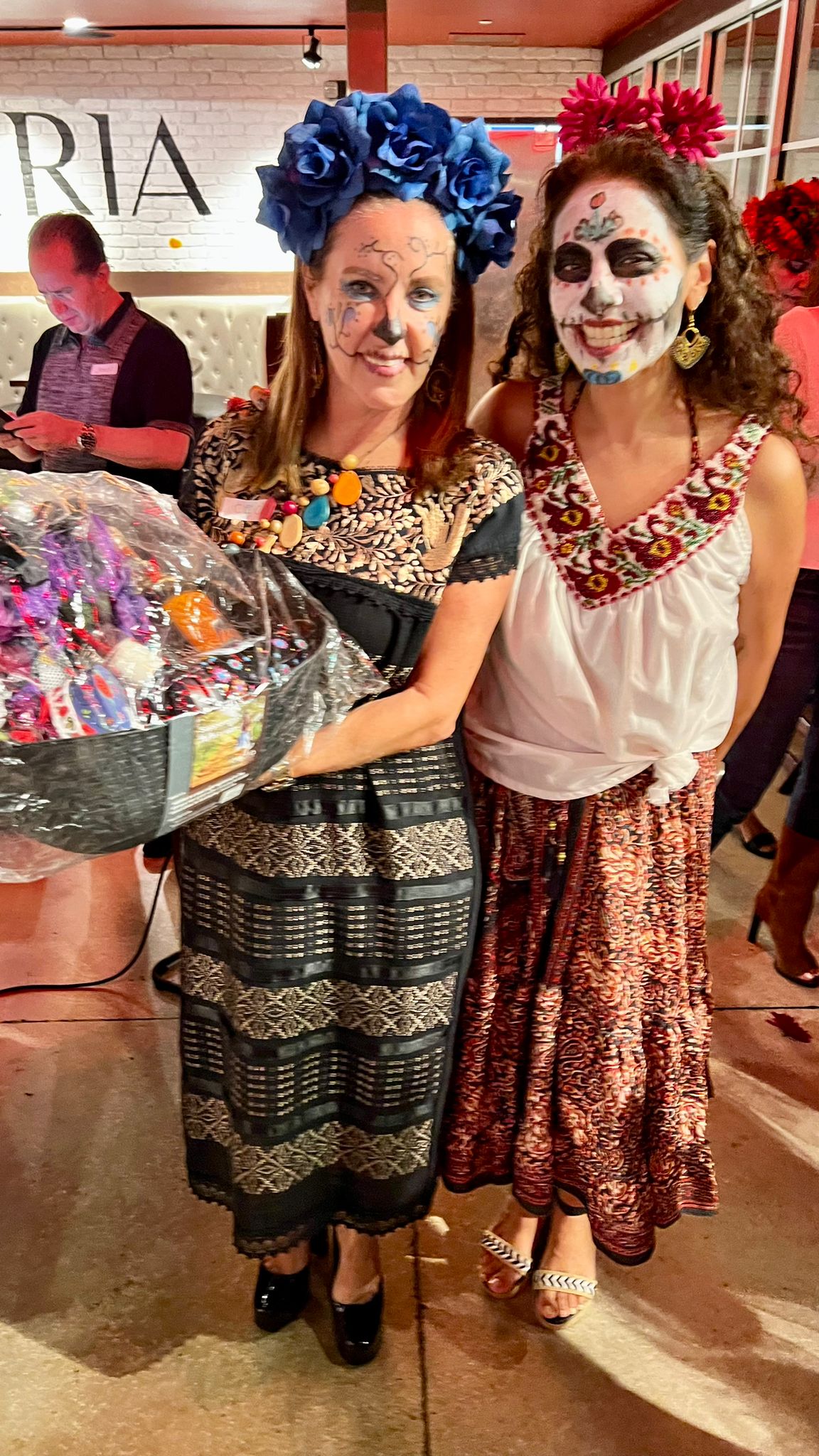
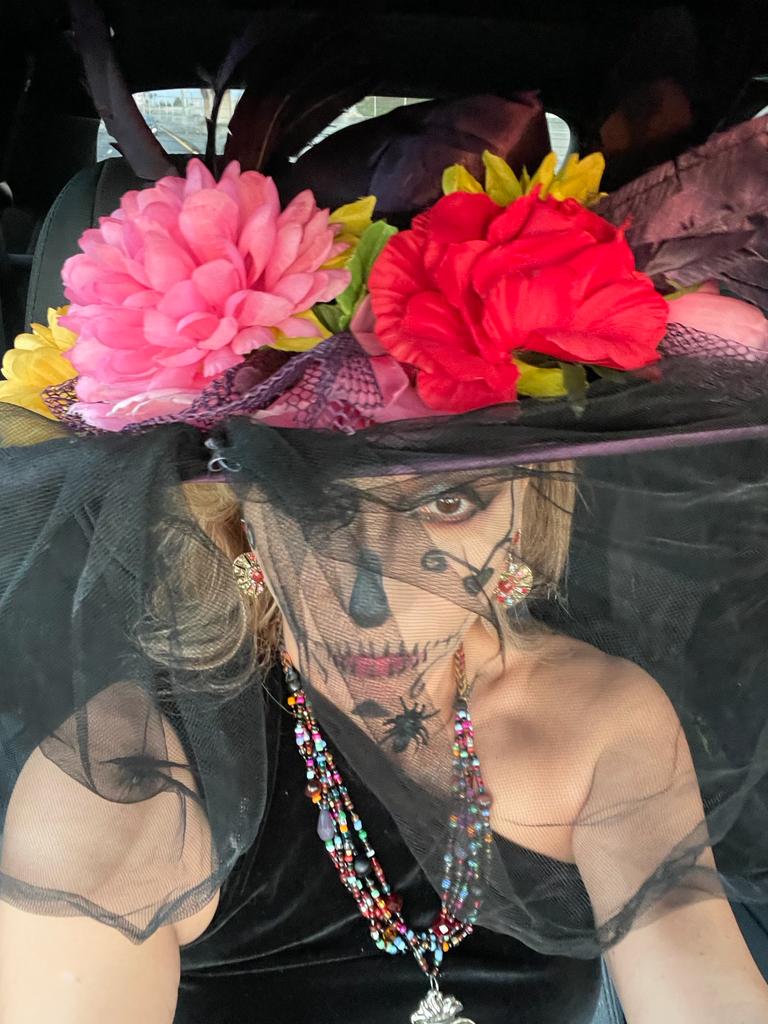
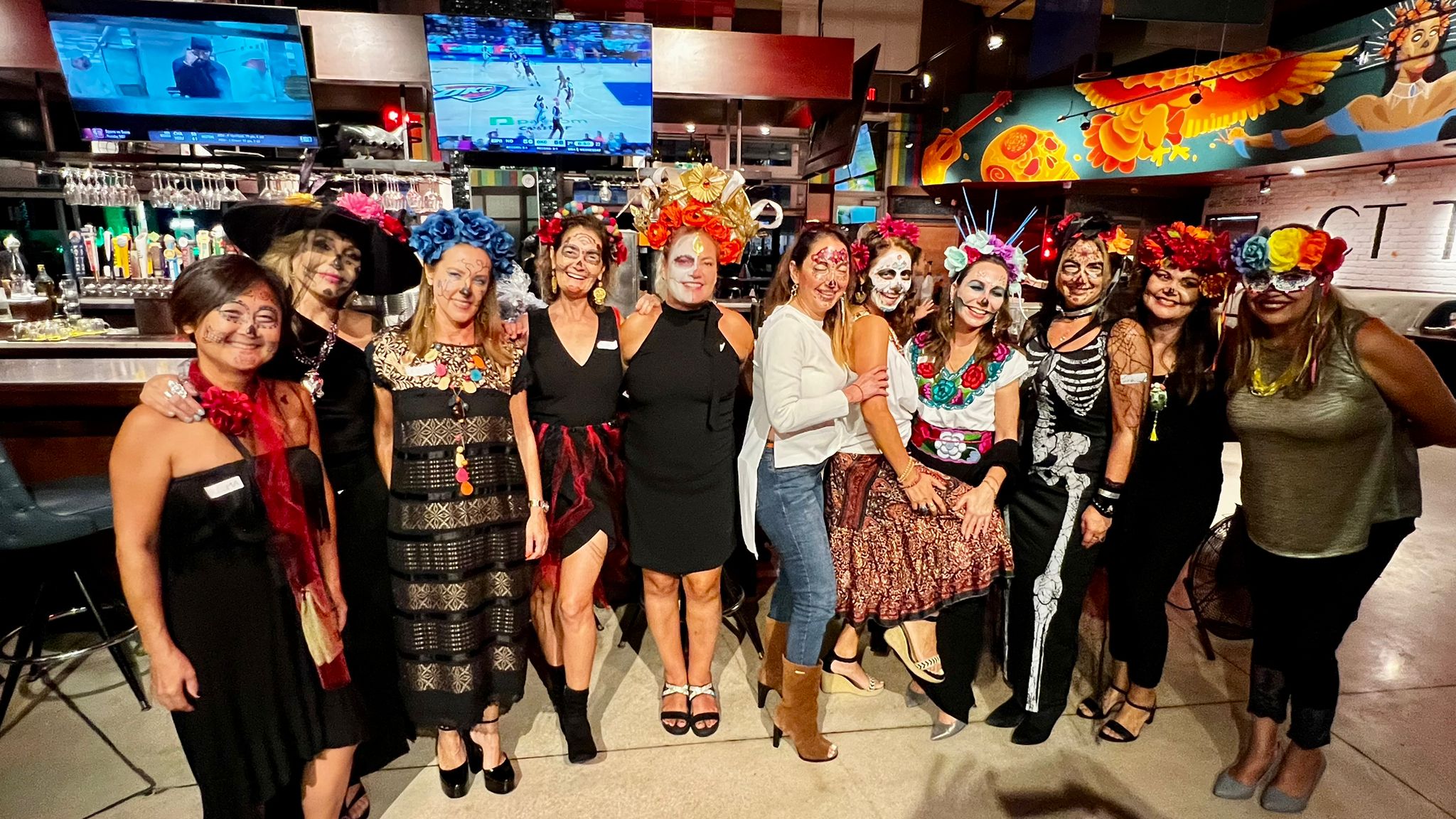
On Nov 1st 2023 we had amazing event at Cantina & Taqueria in Dania’s Pointe, FL. We had people from different countries celebrating #diademuertos with #nochedecatrinas for a good cause!! Attendants were really happy with the environment, the delicious food, and they also made new friends!! We had an opportunity to share about our organization, @aedrainternational2020 whose purpose is to assist people in rural areas in #Mexico so they can become self-sufficient through #entrepreneurship!! Watch our video!!
Noche De Catrinas 2023 @Cantina&Taqueria @DaniasPointe
Marina lives in a remote community in Hidalgo, Mex. She is a single mother who lives with her two little daughters. Conditions and resources are very tough, as you can see in this video, there is no easy access to her home, construction has been going on for years to have roads, sidewalks, streets. We came across Marina because she was selling food in the street to sustain her girls economically. When we visited her home, she doesn’t even have a stove. No appliances and very few kitchen utensils. She uses ancient ways to cook. We strongly believe that with seed capital she will be able to buy the necessary tools and appliances to be more efficient on the food preparation and grow her business to give her daughters better conditions.
Her testimonial here:
SUBSCRIBE TO OUR YOUTUBE CHANNEL TO SEE MORE STORIES LIKE THIS!
We recently surprised Mr Ascencio Martinez, for Father’s Day with a unique gift to assist him during though times. Mr Martinez has a small piece of land where he goes some vegetables, corn, potatoes, squash, etc. Recently his wife got sick with Parkinson’s and he has been struggling taking care of her and also keeping his crops. We sent him a special gift that he will use to buy more tools and hire some workers to assist him. Here is his Thank you message.
Our complete admiration to Lilia Morales who is a hard working woman; at her age, she is still active by cooking for taxi drivers in a remote area in Huejutla, Hidalgo, Mex. She owns a small food stand where she has the very basic tools. With our support she was able to buy some appliances, utensils, and to reinforce the structure of her food stand. She was really thankful that in times of desperate need, she was able to get some support from our organization, which gave her great hope. Below her thank you message:
Here is the story of Santa Romero, who is the head of household since her husband struggles with epilepsy and is not able to work. The only way to sustain her family is through entrepreneurship. With the funds that she recently received from AEDRA, she was able to buy everything that is needed to start a chicken farm: food, chickens and medications to start a sustainable farm in her home. Santa is happy, she did not expect this gift and we are positive that she will put a lot of effort and energy to raise her family.
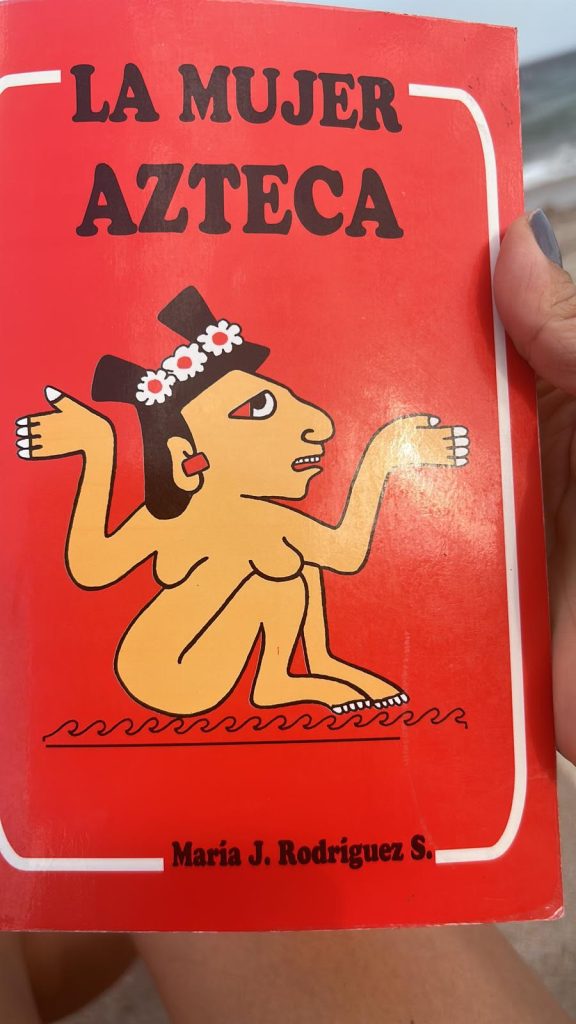
We recently came across this book that really shook us: La Mujer Azteca by the Mexican archaeologist and anthropologist, Maria J Rodriguez. Throughout history, it’s been known that women in different cultures have been left behind from many opportunities; from education to political representation. By reading this book we found out how in Aztec culture, the place of a girl was to be a housewife. Anytime there was the birth of a girl, the initial ceremony was to bury her umbilical cord in the center of her home, symbol that she belongs to her home and the words to welcome her to the world were that she was born to serve her family, her husband and her children (compared to when a boy was born, he was destined to do great things: to be a great warrior or a great leader). Their role was supposed to be submissive. It was documented by Sahagun that girls were severely punished if they were bad behaved.
The main purpose in women’s life was to cook, to learn to weave and take care of their homes. They say that even though their chores included grinding cocoa, they were not allowed to drink it. They didn’t have access to any formal education; some of the trades, besides weaving and cooking, were related to healing with herbs or assisting other women during childbirth. Even though they were knowledgeable in some health issues, they were considered lower in rank compared to a male doctor, who had “formal education”.
Reflecting on this book, we have seen great progress on how women have access now, not just to education but also to political influence where they are even able to be in leadership positions. However, there were many aspects that made us think how culturally and economically, in most rural areas in latin-american countries, it remains the same way as in ancient times. We have seen girls who may get pregnant at very young age because of lack of education, rape or lack of opportunities. They quit school and they are far behind to access any formal job. Their only choice to become self-sufficient is through entrepreneurship, trading, selling their own crafts or cooking food for others. We strongly think that we should support these girls from a very young age to break this cycle, give them opportunities for education and other tools to have a better life. Our hope is to get more people and government leaders involved to break this cycle.
This is Berenice, she lives in a small town in Hidalgo, Mex. We came across her and we really admire that despite her young age and being a young mother, she is a very hardworking woman. She sells pralines and nuts at her local market. We gave her some seed capital to keep growing her microbusiness, that way she can keep sustaining her family.
Con lo recaudado en el reciente evento “Noche de Catrinas”, pudimos ayudar a la Sra. Lety, que habita en la zona rural de Huejutla, Hidalgo.
Ella ha tenido gastos médicos, los cuales le han impedido crecer su negocio, y durante las fechas de Día de Muertos, el pueblo de Huejutla se convierte en una atracción por las fiestas de Xantolo. La Sra. Lety tuvo la oportunidad de recibir una ayuda económica con la cual pudo comprar más materia prima, para así poder vender más de sus productos. Su negocio es su única fuente de ingreso, con la cual apoya a su familia.
Nos llena de felicidad poder ayudar a personas como la Sra. Lety, las cuales son emprendedoras, luchadoras y sabemos que siempre tiene en mente salir adelante.
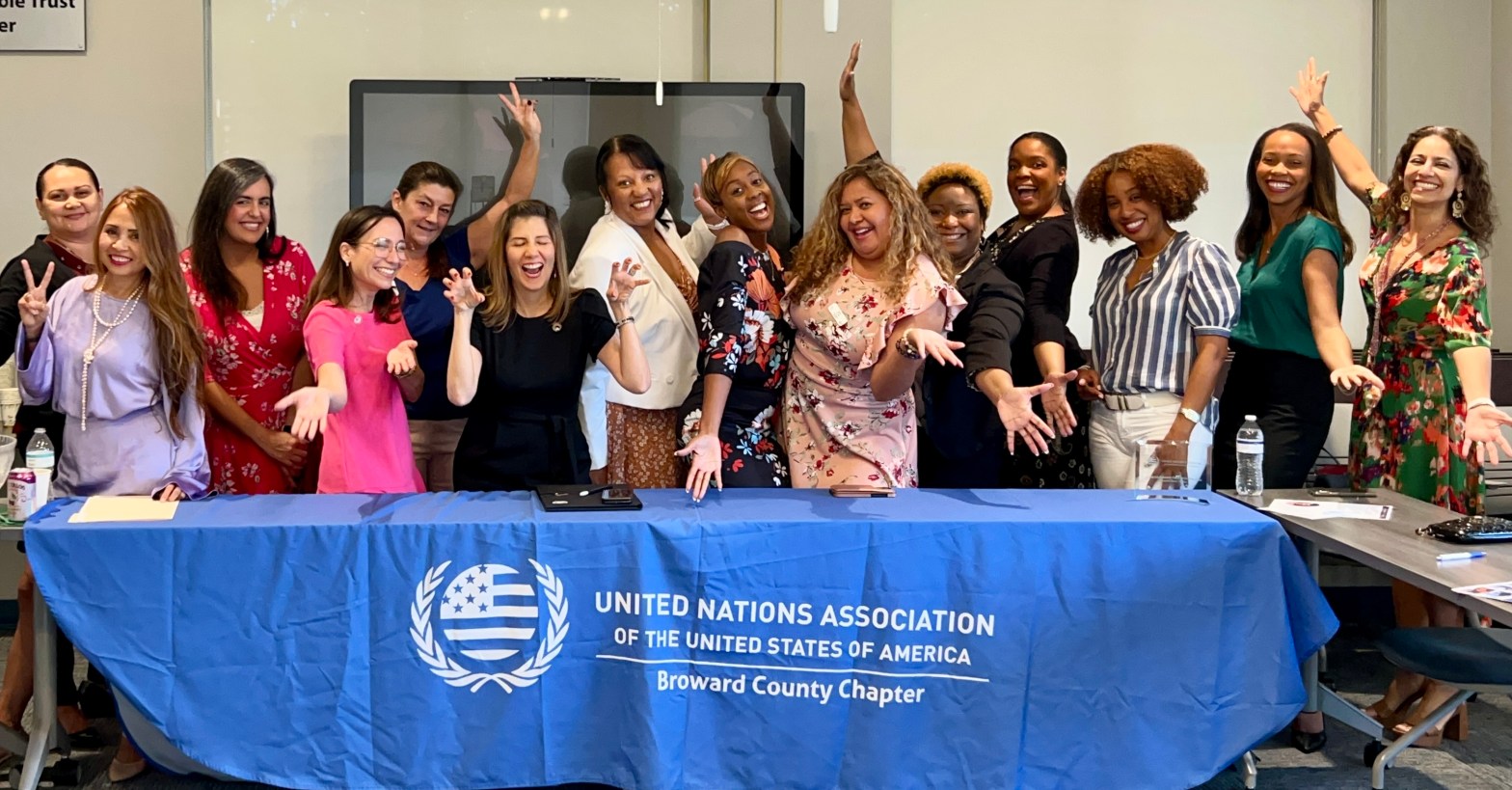
We recently interviewed Cristina Martinez, board member at United Nations Association in Broward, FL about her experience and contribution towards global goals. She told us about the main 17 goals, no poverty, zero hunger, good health and well-being, quality education, gender equality, clean water sanitation, affordable and clean energy, decent work and economic growth, industry-innovation and infrastructure, reduced inequalities, sustainable cities and communities, responsible consumption and production, climate action, life below water, life on land, peace justice and strong institutions and partnerships for the goals.
We discussed on this interview how important it is to get involved and also to influence others to get on board, create awareness and a strategy to create a better impact in your community. Watch this interview and learn how you too may make the world a better place!
It’s no surprise that the largest cities in the world contribute towards air and water pollution in an exponential scale. According to the eco experts, among some of the largest cities ranked as the most populated are Delhi (with 29 million people), Moscow (20 million people), Buenos Aires (12.8 million people) and Mexico City (21.8 million people). We have seen migration from rural areas to large cities in the past decades due to the lack of opportunity in jobs, education and health services.
How do we contribute towards a better environment for our planet? What if we support rural areas to lower pollution?
One of the premises would be that, by having more people moving out from urban areas into rural communities, we would be lowering the rate of population on these large cities, which are causing major environmental impact through transportation services. Now, due to COVID, a lot of people are working remotely from home, not using the car has been a great relief to the environment! But how about considering working remotely from a rural area or a small town?
According to a study made by the US Postal Services, 110,000 people moved from NY to other small cities in 2020 (compared to 19,000 the previous year). Large cities such as Brooklyn, Chicago, San Francisco and Los Angeles saw big exodus of people moving out due to many reasons, mainly to be able to work from home but live in a more affordable place.
For most of them, it has been a great decision. Some of them may move back once their workplaces start to reopen, but some may stay there permanently. If you moved to a small town, we encourage you to interact with local communities and see how you can contribute towards their betterment. We strongly believe that by supporting rural areas by creating opportunities for people who live there, we are helping the environment. There is a huge need to assist small business owners, farmers, artisans and agricultural communities with new creative ways to become more sustainable in producing and growing their own resources to avoid migration to larger cities, and that has become our mission!
Share your opinions and ideas on how we can support rural communities and restore balance!